

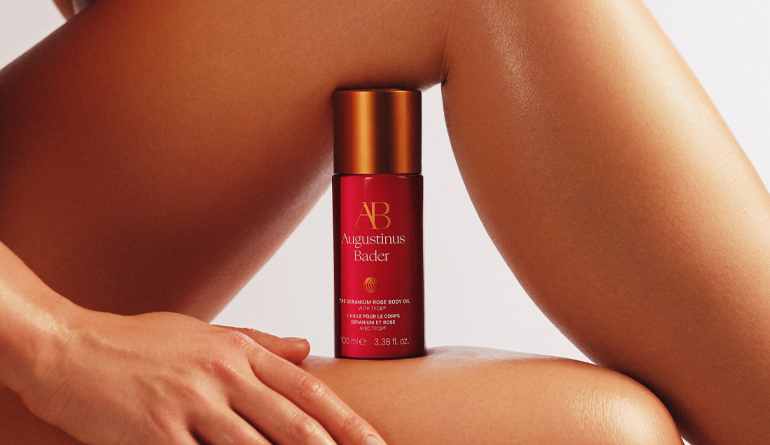
Are you struggling with dryness or redness on your legs? Looking for ways to eliminate dry patches of skin on your thighs or calves? Don't worry — you aren't alone. Dry skin on the legs can be challenging to deal with. Without the right body care products, it can impact your confidence and cause unwanted itchiness or irritation.
In this article, we'll explore the causes of dry legs and provide expert tips for getting smooth, supple skin on your legs.
Cold Weather? Age? Why Are My Legs So Dry?
Dry legs are more common than you think, and there are several reasons why you may have dry skin on your legs.
Dry skin typically occurs when there is not enough sebum on the skin's surface. Sebum levels can fluctuate depending on temperature, humidity, or genetics. The lack of sebum can also be caused by the products you use in your body care routine.
Products containing harsh ingredients can strip the skin of the natural oils on the surface, causing dryness and irritation. Other common reasons why your legs may be too dry include:
● Aging
● Hot showers
● UV exposure
● Lack of nutrients
If your legs are drier than usual, it's best to step back and evaluate your routine. Have you recently switched to a different cleanser or body lotion? Are you experiencing hormonal fluctuations? Once you know what is causing dry skin patches on the legs, you can adjust your everyday routine to align with your needs.
The AB Routine for Smooth, Moisturized Legs
One of the best ways to address dry skin on your legs is to update your routine. To achieve smooth, soft legs, you must prioritize hydrating and nutrient-dense products formulated for your skin type.
Here's what you need to build a routine for dry legs:
I. Use a Body Wash That Doesn’t Dry or Strip Your Skin
The first step is to check the ingredient label for the body wash you currently use. If you're using products with harsh ingredients, they could contribute to dryness. Ingredients you should try to avoid include alcohol, sulfates, and parabens. Also, consider opting for a naturally scented body wash. Artificial fragrances sometimes cause unnecessary irritation and redness.
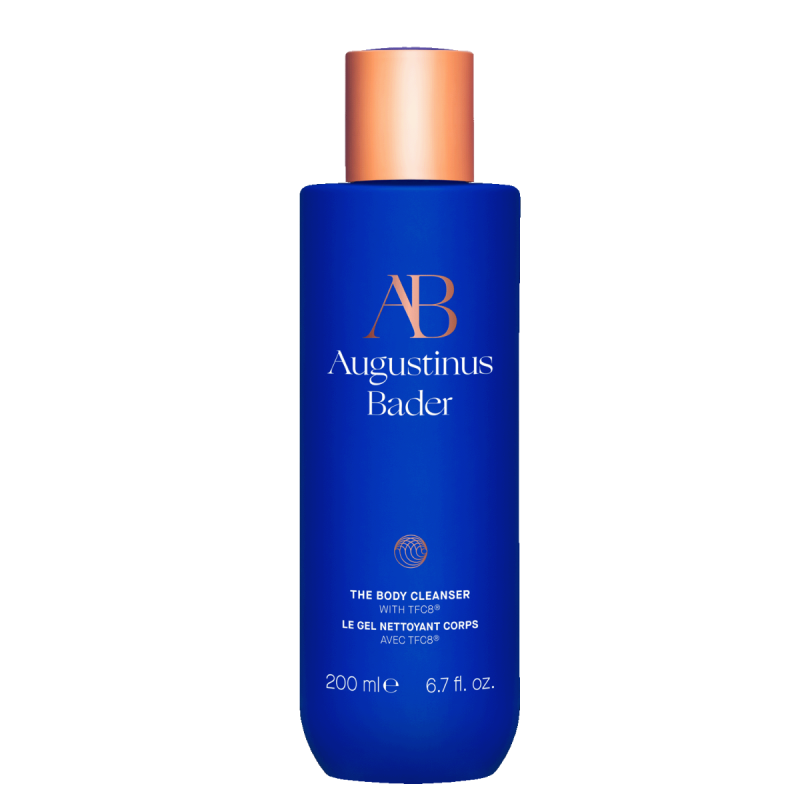
Instead, opt for clean, nutrient-rich products like The Body Cleanser. This cleanser is formulated with pure coconut oil, eucalyptus, and other clean actives that are clinically proven to cleanse. The formula is designed to cleanse the skin without stripping or drying.
II. Exfoliate
Once your legs are cleansed, it's time to exfoliate. Exfoliation buffs away dead skin cells to make room for new growth. If you aren't exfoliating at least once or twice a week, the dead skin cells can lead to a build-up on the skin's surface. This can cause dry, flaky patches of skin.
There are many different in-shower and out-of-shower techniques for exfoliating dry legs. A great option is to invest in a physical exfoliant.
Physical exfoliants include loofahs, brushes, and scrubs that physically buff away the dead skin cells on your legs. While physical exfoliants are typically too harsh for the face, they are suitable for the legs and arms. Also, consider applying a chemical exfoliant like The Essence outside the shower before moisturizing.
III. Moisturize
After cleansing and exfoliating, finish your routine with a nutrient-rich moisturizer. Moisturizers contain hydrating ingredients that help lock in all-day moisture.
It's always best to apply your moisturizer to damp legs after you get out of the shower. This makes it easier for your skin to absorb the product’s nutrients.
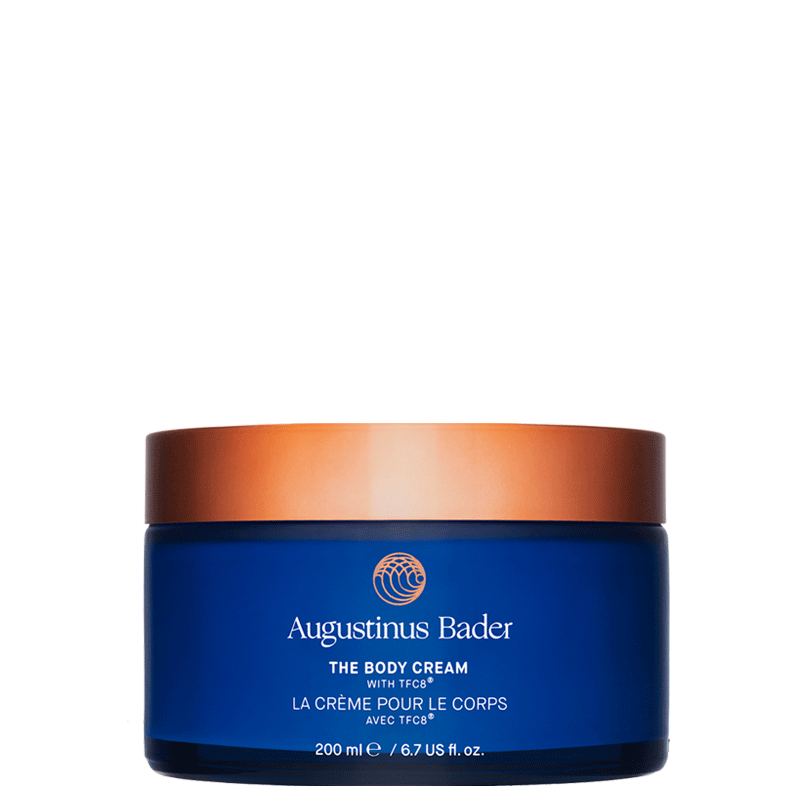
Products like The Body Cream contain shea butter to leave the skin feeling soft and smooth. For the best results, apply either formula twice a day during your morning and nighttime routines.
IV. Soothe Your Legs With a Body Oil
Another great product to consider adding to your routine is body oil. Body oils are lightweight and ultra-hydrating. They are a great option if you need additional hydration or want a lighter alternative for the warmer seasons.
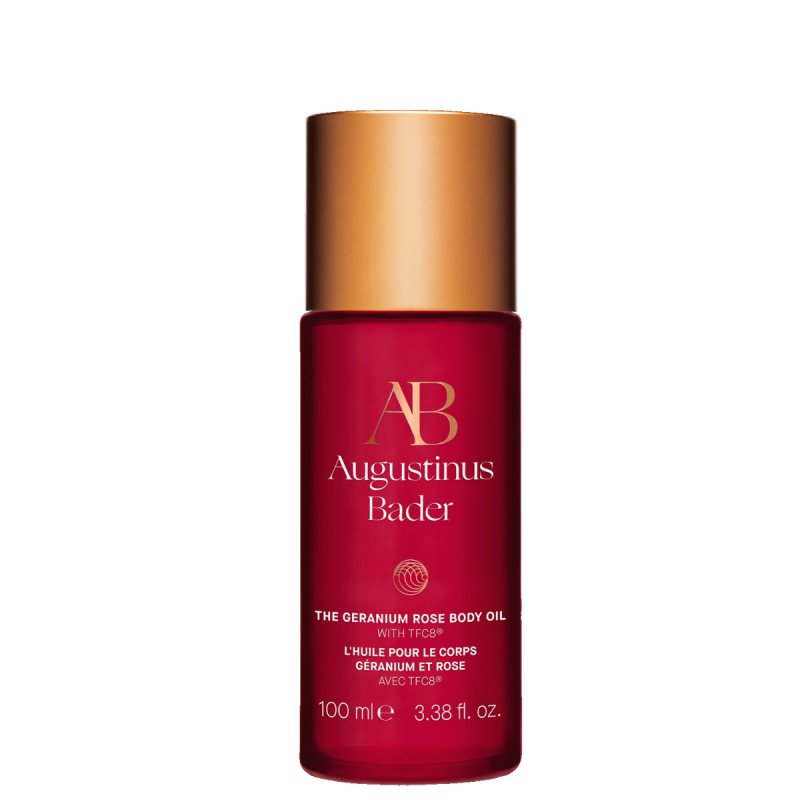
A great fast-absorbing, high-performance oil to consider is The Body Oil. This formula contains argan oil, olive fruit oil, and vitamin E. It's designed to nourish and hydrate dry legs while helping you achieve dewy, glowing skin.
What the Science Says
Not all body care products are made the same. When exploring products to help you combat dry legs, it's also best to look at the ingredients and consider what research has been done on the products.
While some cleansers are known for drying out the skin, others have seen the opposite effect. In fact, 99% of users during a recent trial agreed moisture feels restored when using The Body Cleanser.
The same goes for moisturizers. Some formulas aren't as effective as you might think. However, 98% also agreed that the skin felt firmer and more plump after using The Body Cream.
Other Tips for Preventing Dry, Flaky Legs
Outside of adjusting your approach to body care, there are additional steps you can take to avoid dry legs.
● Wear Sunscreen: Sunscreen protects skin from harmful UV rays. You should aim to wear an SPF of 30 or higher if you plan on spending a day in the sun.
● Use a Humidifier: A humidifier can add moisture back into the air, helping you avoid drying out your skin in dry climates or winter months.
● Prioritize Nutrients: Your skin reflects what you put in your body. A nutrient-rich diet can help maintain your skin's integrity while improving your health.
Avoid Hot Showers: Hot showers can dry skin and cause redness and irritation. Instead, keep the water at a moderate temperature and limit your time in the shower to 5-10 minutes.
Elevate Your Skincare With Augustinus Bader
For over 30 years, we've been perfecting our approach to body care. Our products are backed by clinical trials and powered by TFC8® technology. If you're ready to wave goodbye to dry skin patches on your legs, explore our body care collection today.